Search Results for: "China"
Relevance | Date'Sustainability': Some Free Market Reflections
By Marlo Lewis -- February 11, 2011 20 CommentsA few months ago, I participated in a symposium entitled, “A Sustainable Energy State — How Remote Is the Possibility?” I prepared some talking points for the event and, heeding the injunction to re-use and recycle, turn them here into a MasterResource column.
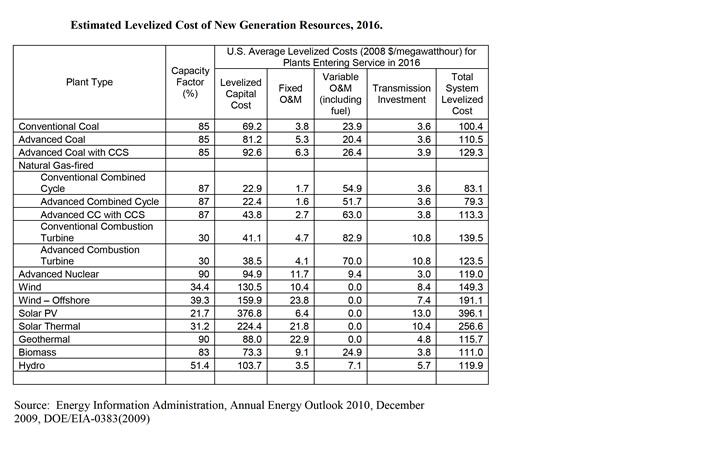
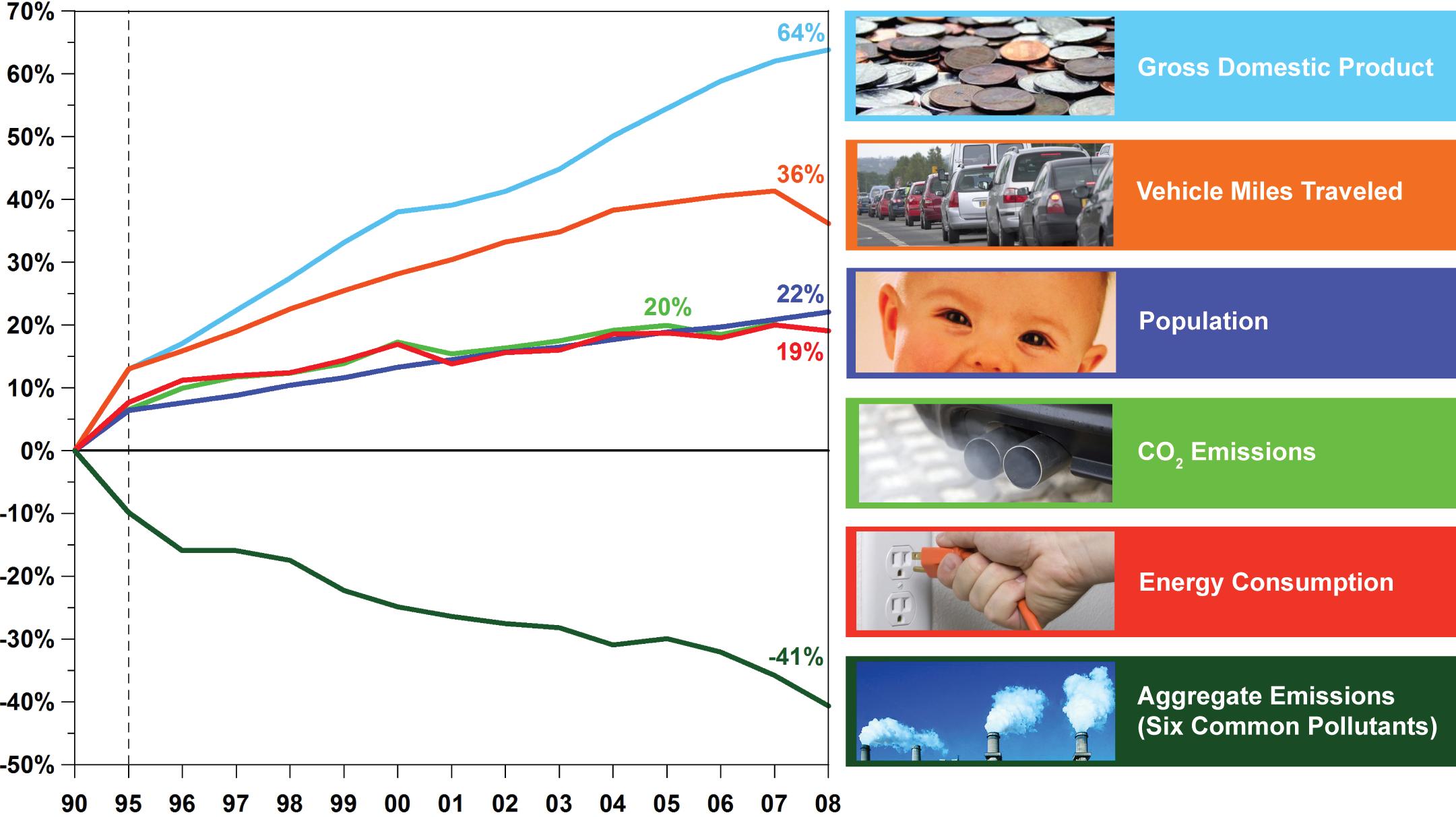

The following reflections make three main points: (1) A “sustainable” energy system, as that term is commonly used, will likely not materialize in our lifetimes; (2) except for heavily-subsidized wind, solar, and biofuel energy, the current, largely fossil fuel-based energy system is already sustainable; and (3) the “sustainable energy” agenda imperils the improving state of the world and, therefore, is politically unsustainable.
Just around the Corner (Not!)
How “remote” is the “possibility” of a “Sustainable Energy State”? That depends, of course, on the meaning of sustainability. When environmental advocates call wind farms, solar power, or “next generation” biofuels “sustainable,” they imply that energy is sustainable only if it is carbon-neutral or non-emitting.…
Continue ReadingOxymoronic Windpower (Part II: Windspeak)
By Jon Boone -- January 19, 2011 17 CommentsWindspeak: Language used by those who profit financially, politically, or ideologically from wind technology that disguises, distorts, or reverses the meanings of words in order to promote the technology. Oxymorons, which combine incongruous or contradictory terms, abound in windspeak—viz, windpower, wind capacity, responsible windpower (double oxymoron), windfarms, windparks, wind jobs, wind reliability workshops, and wind as alternate energy. Generally any claim made for the technology in windspeak produces the virtually opposite effect in reality.
With the right story and no accountability, Madison Avenue can sell fantasy wholesale. Rock Hudson’s ad executive did just this 50 years ago in the charming send-up to our commercial culture, Lover Come Back, when he successfully marketed a non-existent product, VIP.
Nothing illustrates this idea better than the au courant fantasia about wind technology, where public relations legerdemain has deployed the power of windspeak to give wind a complete makeover, transforming a klutzy pretender into a seemingly benevolent superhero unbound by the laws of physics and even its own history.…
Continue ReadingOxymoronic Windpower (Part I: Howlers)
By Jon Boone -- January 18, 2011 26 CommentsDefinitions:
Howler: A ridiculous idea or proposition, one that elicits howling laughter; also, a type of magic spell from the Harry Potter series.
Bellyfeel: A blind, enthusiastic acceptance of an idea, taken from George Orwell’s Nineteen Eighty-Four, where any good Oceanian internalizes Party doctrine such that it becomes gut instinct—a feeling in the belly.
Blackwhite: In Orwell’s Nineteen Eighty-Four, a word that has two contradictory meanings, used to convey how people have been propagandized to believe that black is white while never realizing that the reverse might be true. It is the ultimate achievement of newspeak that requires a continuous alteration of the past made possible by a system of controlled thought.
Every major claim made by those who would profit, either financially or ideologically, from wind technology is replete with Owellian doublespeak.…
Continue Reading2010: The Year that Climate Alarmism Melted
By Robert Michaels -- January 3, 2011 5 Comments[Editor note: Tomorrow’s post looks at Big Science-Big Environmental’s new plan to push climate alarmism at the public. For a look at scientific momentum away from scary climate scenarios, see Chip Knappenberger, “What Does the Last Decade Tell Us About Global Warming? (Hint: the ‘skeptics’ have the momentum).]”
It was the year that climate-change alarmism (aka anthropogenic global-warming alarmism) died, a passing all the more noteworthy because it seemed so unlikely 12–15 months ago.
Few ideas in all of history had the salience and durability that warming alarmism used to have. Higher temperatures and accumulating carbon would bring planetary catastrophe–all our fault by using the dense energy known as oil, gas, and coal.
It became a religious issue, but this time one with science on its side. A consensus of scientists would team up with a consensus of busybodies to bring us an unending stream of penitential sacrifices.…
Continue Reading