Archive
- January (21)
- February (19)
- March (23)
- April (21)
- May (23)
- June (22)
- July (20)
- August (21)
- September (20)
- October (19)
- November (17)
- December (15)
‘Old School Climate Denial is Back’ (Droz, Martis: take a bow)
By Robert Bradley Jr. -- November 29, 2022“Obviously, climate/energy is not an intellectual issue for Amy Westervelt. But it is for Droz and Martis, two hearty volunteers speaking truth to power. She should personally sit down with both and understand their passion and logic. If so, maybe Westervelt could turn DRILLED into MACHINED to focus on industrial wind and solar arrays on the landscape and in the coastal waters.”
In a new article in the climate alarmist web site Drilled, Amy Westervelt claims to have made a big finding, along with a colleague:
…Over the past month or so, thanks in large part to the work of reporter Michael Thomas, the Internet has rediscovered an effort that’s been underfoot for more than a decade: the coal-funded attack on clean energy. In a few viral Twitter threads, Thomas has focused on the work of two longtime anti-renewables campaigners, John Droz and Kevon Martis, who have spent the past 15 years or so fighting renewable energy projects at the local level (and convincing and training others to do the same).
‘Greenhushing’ Joins Greenwashing (woke firms in legal peril?)
By Robert Bradley Jr. -- November 28, 2022“Fear among corporate firms of being called out on misleading and or exaggerated environmental and sustainability claims is growing as regulators clamp down and hold companies to account over greenwashing.”
“… some firms are choosing not to talk about their green targets, climate researchers say…. Fear of litigation may be also deterring some companies from talking about their climate targets altogether.”
– Anastasia Molone, “Is Green-hushing the New Greenwashing?” (below)
Face it: There are just not that many who buy into climate alarmism, even those at firms pressured by activist bullies. Sure, it is politically correct grist during the workday. But off the clock, in one’s heart-of-hearts, climate fear is a political issue, not an “existential threat to humanity,” as Joe Biden’s teleprompter says.
Woke businesses, the virtue signalers, have created a problem for themselves.…
Thanksgiving 2022
By Robert Bradley Jr. -- November 24, 2022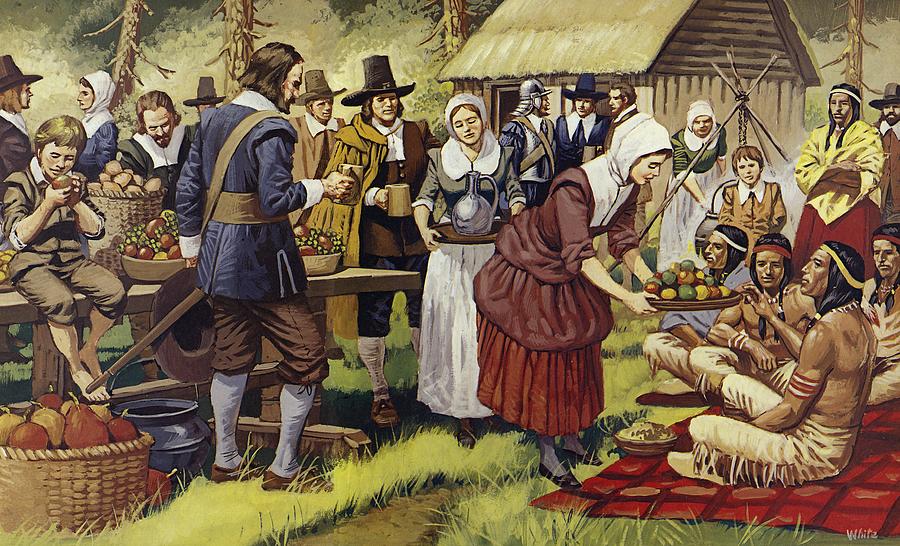
From the 200+ authors at MasterResource to you, our readers.
And it is a free market holiday. See “Thanksgiving: A Free Market Celebration,” by Richard Ebeling.…