Independence Day: Driving, Grilling, Fireworks
By Robert Bradley Jr. -- July 3, 2026The July Fourth week will be energetic coming and going. The celebration is another reminder that modern life involves activities that naturally emit the “gas of life”—carbon dioxide.
Peak hydrocarbon supply? Not at all, although political events cause temporary reductions. Peak demand? No, just the opposite. Record driving, flying, and cruising; record grilling; record fireworks.
Driving
Another record will be broken this week, according to the American Automobile Association. Here is the full story:
AAA projects 72.2 million Americans will travel at least 50 miles from home for Independence Day between Saturday, June 27 and Sunday, July 5. This year’s domestic travel forecast surpasses last year’s record of 71.8 million travelers, but the increase is smaller than recent year-over-year gains.
The number of travelers driving and flying to their destinations is relatively flat compared to last year, while travel by other modes, including cruises, is the category seeing the biggest increase.
Eighty-five percent of travelers are by car “despite gas prices reaching four-year highs.”
Last year, the national average for a gallon of regular gasoline was $3.15. This year, prices are higher but remain lower than 2022, when the national average was $4.80 on Independence Day. Despite higher gas prices, filling up the tank during a road trip is still cheaper than purchasing flights for many travelers, especially for families with kids.
Flying
AAA also commented on other modes of transportation.
AAA projects 5.85 million travelers will take domestic flights over July 4th week, a 0.2% increase over last year. Air travelers make up 8% of the share of holiday travelers. According to AAA data, which is based on what travelers paid when they booked their Independence Day trips, roundtrip domestic flights to top destinations like Chicago and Denver are 5% more expensive. Domestic flights overall are averaging about $830 a ticket.
Other Transportation
Travel by other modes is seeing the biggest year-over-year growth compared to car and air travel. AAA projects 4.93 million Americans will take buses, trains, and cruises over Independence Day week, a 5.3% increase from last year. This year is also expected to surpass 2019’s figure of 4.79 million travelers, due in large part to the post-COVID cruising boom. Travelers are drawn to cruise vacations because they know how much the trip will cost upfront, and the ship offers all-inclusive dining, various entertainment options, and multiple destinations.
Grilling
Outdoor grilling, a $1.4 billion industry, has seen significant growth in the United States in recent years. with gas accounting for approximately half of the market. “The US Outdoor Cooking Market,” according to one study,
is experiencing significant consumer engagement, with demand for durable, energy-efficient products driven by health trends and social connections. Looking ahead, the market is positioned for continued consumer interest, with growing demand for multifunctional products and innovations in compact designs, with innovation in multifunctional, sustainable products and a stronger focus on premium offerings as economic conditions evolve, possibly allowing brands to gain Outdoor Cooking Market Size.
Fireworks
“Fireworks have been woven into America’s Independence Day celebrations since July 4, 1777, when Philadelphia commemorated the first anniversary of independence with fireworks, bonfires, bells, and cannon fire,” noted the American Pyrotechnics Association. “Two and a half centuries later, fireworks remain one of the nation’s most enduring symbols of patriotism and celebration.”
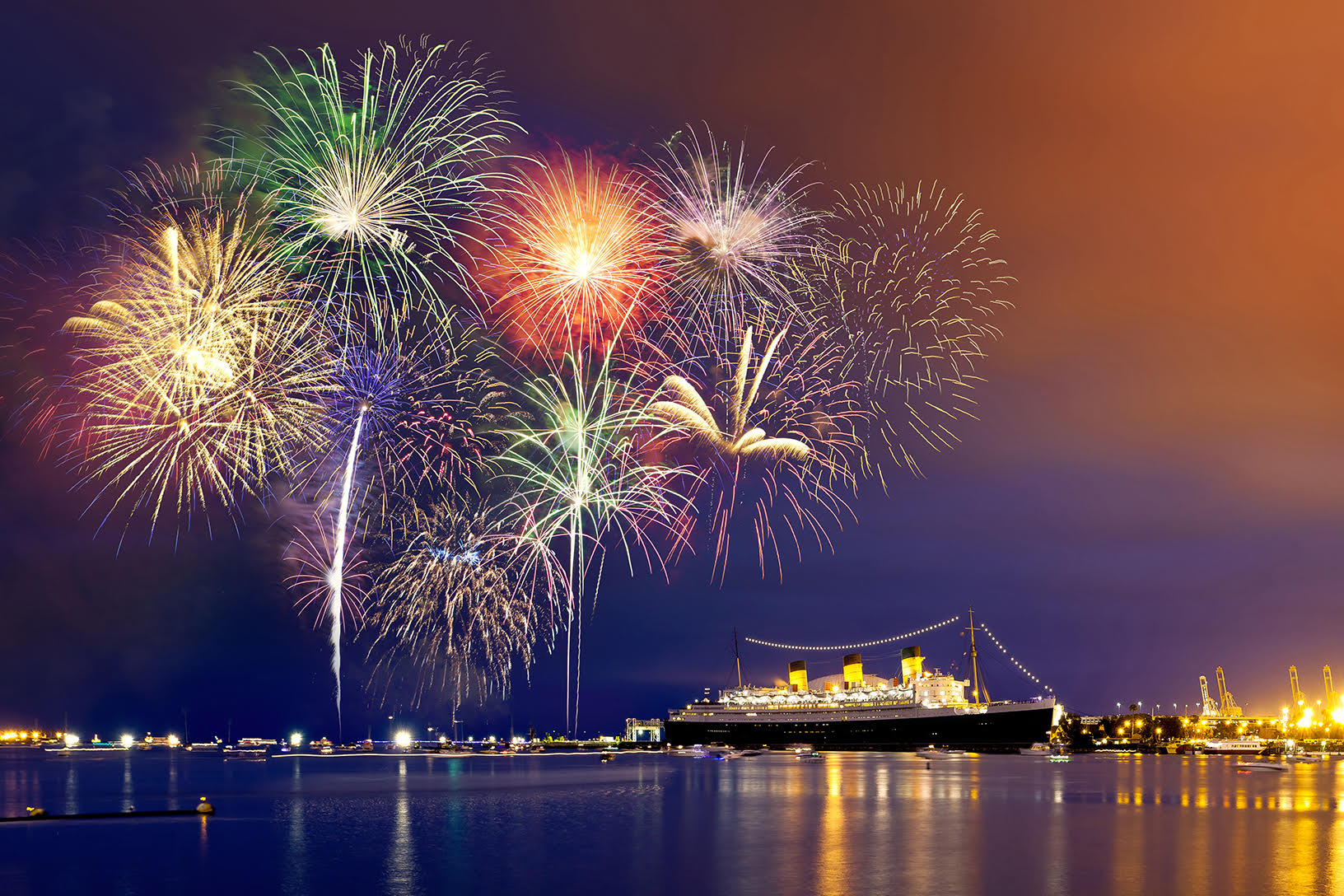
It’s boomtime for the $2.3 billion fireworks industry, with July Fourth being the “big day” in all states except for Massachusetts, which outlaws fireworks.