Climate Anxiety? Just Teach Both Sides (a cure in waiting)
By Robert Bradley Jr. -- October 28, 2026“More and more of us are directly experiencing climate impacts, which can cause stress, trauma, lingering anxiety and depression, and even heightened suicide risk.” (- Moms Clean Air Force)
“Smiling faces. Good intentions. Confirmation bias. None of this is enough. There is another alternative, a very different path, to defuse a wasteful, futile crusade: climate and energy realism.” ( – Bradley, below)
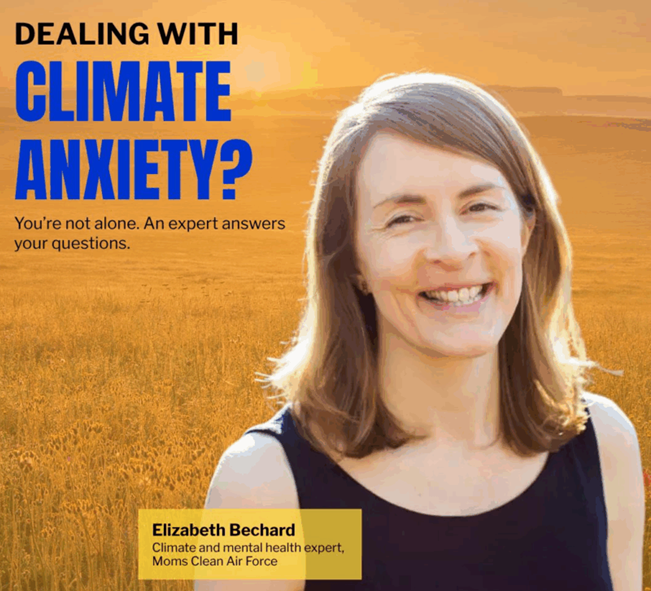
The Environmental Defense Fund is grasping at straws with their recent pitch, “Dealing with Climate Anxiety?”. EDF cites a Mental Health site by Moms Clean Air Force.
Moms Clean Air Force is very active in the climate mental health space. Climate distress can be deeply painful. If you’ve ever felt the mental health impacts of climate change or environmental issues, you are not alone. In recent years, there has been a growing focus on learning how to navigate the mental and emotional terrain of living in a changing climate.
Continuing:
To actively build awareness about mental health and the climate crisis across the country, we educate. Our resource library to help parents and caregivers navigate their eco-emotions (found below) includes information on supporting young people and cultivating climate hope. Our staff also attends and hosts events about climate and mental health, including a series of national health justice webinars. We work with several organizations, including Climate Psychology Alliance, Climate Mental Health Network, Climate Psychiatry Alliance, and Schools for Climate Action.
The pitch gets personal:
Moms is convinced that a general mental health crisis is at hand from “climate change. While parents, grandparents, and caregivers may experience the mental health impacts of climate change in unique ways, we all love the children in our lives. We want them to experience safety and a sense of well-being. It can be extraordinarily painful to learn about the ways climate change threatens the future we want for our children. We worry about how to talk to our kids about climate change, how to help them navigate their own climate distress, and how to help them cultivate resilience in the face of an uncertain future.
It’s also a gender issue:
Climate change and other environmental crises are increasingly affecting families’ mental health. Research suggests that women tend to be more worried about climate change than men. And young people, who will be most affected by the climate impacts of the future, are overwhelmingly concerned about climate change: a 2021 study of young people around the world found that 84% were at least moderately worried about climate change, with 59% reporting very or extremely high levels of worry.
“Take Action”
“More and more of us are directly experiencing climate impacts, which can cause stress, trauma, lingering anxiety and depression, and even heightened suicide risk,” the pitch continues.
Climate change’s impacts on our planet are impossible to ignore, but its effects on our mental health are often less visible. From extreme weather to nonstop climate headlines, more people are experiencing eco-anxiety, grief and other emotions related to our changing climate. We spoke with climate and mental health expert Elizabeth Bechard (she/her) of Moms Clean Air Force about how climate anxiety shows up—and how to manage it. Link in comments!
Wait!
Smiling faces. Good intentions. Confirmation bias. None of this is enough. There is another alternative, a very different path, to defuse a wasteful, futile crusade: climate and energy realism. The case against climate alarm and forced energy transformation is voluminous and can be found on such websites as MasterResource. Seek and ye shall find. But first, open the mind.